
Skill Development Projects Under CSR in India
- Marpu Foundation

- Apr 21
- 7 min read
She dropped out of school after class 8.
Not because she wanted to. But because her family needed her to work. Her father was a daily wage labourer. Her mother stitched clothes at home. There was no money for books, fees, or dreams.
By 18, she had no degree, no certificate, no skills that employers wanted. Just years of lost time and a future that looked exactly like her mother's.
Then someone enrolled her in a tailoring training program funded by a company's CSR. Three months later, she had a skill. Six months later, she had an income. One year later, she was training other women in her village.
This is what skill development under CSR can do. It does not just teach people a skill. It changes the direction of their lives.
For companies looking to create lasting CSR impact, skill development is one of the most powerful investments. The need is massive. The results are measurable. And the change is permanent.
This article covers everything you need to know about skill development projects under CSR what works, what to consider, and how to implement programs that actually create impact.
Why Skill Development Matters for CSR
India has a skill gap problem.
Millions of young people enter the workforce every year. But most are not employable. They have degrees but not skills. They have ambition but not training.
At the same time, industries complain they cannot find skilled workers. Jobs exist but qualified candidates do not.
This mismatch is one of India's biggest development challenges. And CSR can play a direct role in solving it.
Skill development creates employment
A skilled person can earn. An unskilled person struggles. Training someone in a marketable skill directly improves their ability to find work and income.
It aligns with national priorities
The government has made skill development a major focus through initiatives like Skill India Mission. CSR investments in this area align with national goals.
It is listed in Schedule VII
Livelihood enhancement and vocational skills are explicitly mentioned in Schedule VII of the Companies Act. Skill development is a compliant and encouraged CSR activity.
Impact is measurable
Unlike some CSR areas where impact is hard to track, skill development has clear metrics. People trained. People employed. Income levels. These can be measured and reported.
It creates permanent change
Once someone learns a skill, they have it for life. Unlike one-time donations, skill development creates lasting transformation.
Types of Skill Development Projects Under CSR
Skill development is a broad area. Here are specific project types that work well under CSR.
1. Vocational Training for Youth
Vocational training teaches young people job-ready skills in specific trades. These are practical skills that employers need.
Popular vocational training areas:
→ Electrician and wiring → Plumbing → AC and refrigerator repair → Mobile phone repair → Two-wheeler and automobile repair → Welding and fabrication → Carpentry → Mason and construction work → Beautician and salon services → Hospitality and housekeeping
Who benefits:
Youth who dropped out of school. Young people from low-income families. Those who cannot afford college but need employable skills.
Duration:
Most vocational courses run for 2-6 months depending on the trade.
What it costs:
Training one person in a vocational skill typically costs Rs 8,000-20,000 depending on trade, duration, and location.
2. Computer and Digital Literacy Training
Digital skills are no longer optional. Even basic jobs now require computer knowledge.
But millions of Indians especially in rural areas and smaller towns have never used a computer.
What digital training can include:
→ Basic computer operations → MS Office Word, Excel, PowerPoint → Internet and email usage → Data entry skills → Basic accounting software → Digital payment and banking → Social media for business
Who benefits:
Students. Job seekers. Small business owners. Women who want to work from home. Anyone who needs digital skills to compete in today's job market.
What it costs:
Basic digital literacy training costs Rs 3,000-8,000 per person for a 1-3 month program.
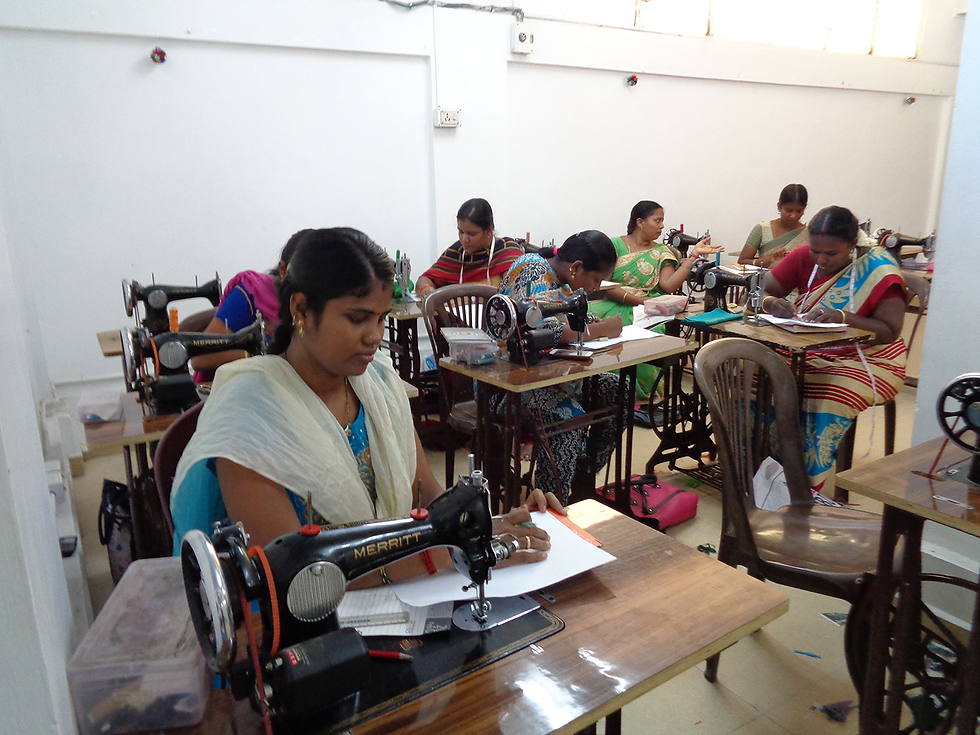
3. Skill Training for Women
Women face additional barriers to employment. Family responsibilities. Lack of mobility. Social restrictions. Limited access to training.
Skill training designed specifically for women addresses these barriers.
Skills that work well for women:
→ Tailoring and garment making → Embroidery and handicrafts → Beauty and wellness services → Food processing and packaging → Nursing and healthcare assistance → Data entry and back-office work → Teaching and tutoring skills
Why women-focused training works:
Training centers can be set up closer to where women live. Timings can be adjusted around household responsibilities. Trainers can be women, making participants more comfortable.
What it costs:
Women-focused skill training costs Rs 5,000-15,000 per person depending on the skill and duration.
4. Entrepreneurship and Self-Employment Training
Not everyone wants a job. Some want to start their own small business.
Entrepreneurship training teaches people how to start and run micro-enterprises.
What entrepreneurship training includes:
→ Identifying business opportunities → Basic business planning → Costing and pricing → Managing money and accounts → Marketing and finding customers → Legal basics — registration, licenses → Access to credit and loans
Who benefits:
Women who want to work from home. Youth in areas with few jobs. People who already have a skill but do not know how to build a business around it.
What it costs:
Entrepreneurship training programs cost Rs 5,000-10,000 per person for a 2-4 week program.
5. Industry-Specific Skill Training
Some companies prefer to fund training in skills related to their own industry. This creates future workforce for the sector.
Examples:
→ IT companies funding coding bootcamps → Hospitality companies funding hotel management training → Manufacturing companies funding machine operator training → Healthcare companies funding nursing assistant courses → Retail companies funding sales and customer service training
Why this works:
Companies get access to skilled candidates. Trainees get better placement chances. The training is relevant and current because industry is involved in designing it.
What it costs:
Industry-specific training costs vary widely from Rs 10,000 for basic courses to Rs 50,000+ for advanced technical training.
6. Training for Persons With Disabilities
Persons with disabilities face the highest unemployment rates. But with the right training and support, many can become skilled workers.
Skills suitable for persons with disabilities:
→ Data entry and computer work → Tailoring and handicrafts → Customer service and call center → Retail and sales assistance → Food preparation → Assembly line work
What inclusive training requires:
Accessible training centers. Trained instructors who understand different disabilities. Assistive technology where needed. Employer sensitization for placement.
What it costs:
Training for persons with disabilities costs Rs 15,000-30,000 per person due to additional support requirements.
7. Upskilling for Existing Workers
Skill development is not just for the unemployed. Existing workers also need to upgrade their skills as industries change.
What upskilling can include:
→ New technology training → Safety and compliance training → Soft skills communication, teamwork → Supervisory and leadership skills → Quality management → Digital tools for traditional trades
Who benefits:
Factory workers. Daily wage laborers. Small business employees. Anyone whose job is changing due to technology or market shifts.
How to Plan a Skill Development CSR Project
Planning matters. A poorly designed program wastes resources. A well-designed one creates lasting impact.
Here is how to plan effectively.
Step 1. Identify the Target Group
Who do you want to train? Be specific.
→ Youth in a particular district? → Women in urban slums? → School dropouts from rural areas? → Persons with disabilities?
The clearer your target group, the better you can design the program.
Step 2. Assess What Skills Are Needed
Do not assume you know what skills people need. Research the local job market.
→ What jobs are available in the area? → What do employers say they need? → What skills can lead to self-employment? → What training already exists?
Training people in skills that have no demand is a waste. Match training to opportunity.
Step 3. Choose the Right Training Partner
Most companies do not run training themselves. They partner with NGOs, training institutes, or government skill centers.
What to look for in a partner:
→ Experience in skill training → Track record of placements → Quality of trainers and curriculum → Infrastructure and equipment → Connections with employers → Reporting and documentation systems
Step 4. Design the Program
Work with your partner to design the training program.
Key elements to define:
→ Duration of training → Curriculum and skills covered → Practical vs classroom ratio → Assessment and certification → Placement support after training → Follow-up with trainees
Step 5. Set Clear Targets
Define what success looks like before you start.
→ How many people will be trained? → What completion rate do you expect? → What placement rate is the goal? → What income level should trainees achieve?
Clear targets help you measure impact and improve future programs.
Step 6. Plan for Placement Support
Training without placement support often fails. People learn skills but do not find work.
Placement support can include:
→ Job fairs and employer connections → Resume preparation → Interview coaching → Apprenticeship arrangements → Self-employment support → Follow-up for 6-12 months after training
Challenges in Skill Development CSR
Skill development is impactful but not easy. Be aware of common challenges.
Dropout rates
Some trainees drop out before completing training. Family pressure, financial needs, or loss of interest can cause this. Good programs address this through stipends, counseling, and family engagement.
Quality of training
Not all training is equal. Some programs have outdated curriculum, poor trainers, or inadequate equipment. Choose partners carefully.
Placement difficulties
Training does not guarantee jobs. Local job markets may be weak. Employers may have biases. Placement support is essential.
Tracking long-term impact
It is easy to count people trained. It is harder to track whether they are still employed one year later. Build follow-up into your program.
What Makes Skill Development CSR Successful
Based on what works, here are principles for success.
1. Focus on market-relevant skills
Train people in skills that employers actually need. Not skills that sound good on paper.
2. Include soft skills
Technical skills alone are not enough. Communication, punctuality, teamwork these soft skills determine job success.
3. Provide practical training
Theory without practice does not build employable skills. Ensure at least 60-70% practical training.
4. Support placement actively
Do not stop at training. Help trainees find work. Follow up to ensure they stay employed.
5. Involve employers
When employers are involved in designing and delivering training, placement rates improve dramatically.
6. Track outcomes, not just outputs
Outputs = people trained. Outcomes people employed and earning. Focus on outcomes.
How Marpu Foundation Helps With Skill Development CSR
At Marpu Foundation, we help companies design and implement skill development programs that create real employment outcomes.
What we offer:
We assess skill gaps in your target communities and recommend relevant training areas.
We design training programs that match local job market needs.
We coordinate with quality training partners, government skill centers, and industry bodies.
We manage end-to-end implementation including trainee mobilization, training delivery, and placement support.
We track and report outcomes not just training completion but actual employment and income.
Our approach:
We believe skill development should lead to livelihoods, not just certificates. Every program we design focuses on employability and income generation.
Interested in skill development projects for your company's CSR? Write to us at connect@marpu.org and we will help you create a program that transforms lives.


