
Top 10 CSR Ideas for Supporting Migrant Communities in Indian Cities in 2026

In 2026, over 600 million Indians are internal migrants, powering urban economies and contributing significantly to India's GDP through construction, manufacturing, and the gig sector. With urbanization projected to reach 40% by 2030 amid a booming gig economy and infrastructure surge, migrant communities face heightened vulnerabilities from climate change and post-pandemic recovery. Corporate Social Responsibility (CSR) in India, mandated under Section 135 of the Companies Act, is ideally positioned to address critical gaps in housing, health, education, skills, and financial inclusion.
This article explores 10 innovative, scalable CSR ideas for migrant welfare initiatives, driving measurable social impact and inclusive urbanization.
Background: Challenges Faced by Migrant Communities in Indian Cities
India's rapid urbanization continues to draw millions of internal migrants to cities like Mumbai, Delhi, Bengaluru, and Chennai in search of better opportunities. As of 2026, estimates suggest over 600 million internal migrants approximately 42% of the population fuel urban growth, with interstate migrants playing a pivotal role in sectors like construction (employing 15 million migrants) and the gig economy. These workers contribute substantially to urban GDP, often accounting for essential labor in infrastructure and services.
Yet, migrant communities grapple with profound challenges. Many reside in informal housing or slums, lacking secure tenure and basic amenities like clean water and sanitation. Access to healthcare remains limited; migrants often fall outside state-specific schemes, facing barriers during health crises exacerbated by climate events. Education for children is disrupted, with high dropout rates due to frequent moves and absence of creches. Informal jobs expose workers to exploitation, low wages, and no social security, while the digital divide hinders access to government benefits like Aadhaar-linked services.
Social exclusion and gender-specific issues compound these problems women migrants face higher risks of harassment and limited economic agency. Emerging 2026 trends include rising climate-induced migration from flood-prone or drought-hit regions, increasing heat stress in urban workplaces, and a surge in gig workers vulnerable to platform algorithms without fair wages or insurance.
For corporations, supporting migrant workers India 2026 is not just ethical but strategic. Stable migrant labor ensures talent retention and supply chain resilience, enhances brand reputation among ESG-conscious stakeholders, and aligns with compliance requirements. By investing in migrant welfare initiatives, companies can foster sustainable CSR ideas that mitigate risks and unlock productivity, contributing to inclusive urbanization and long-term economic stability.
Top 10 CSR Ideas
Idea 1: Integrated Empowerment for Migrant Women and Children: Education, Skills, and Healthcare Access
This flagship initiative focuses on holistic support for women migrants and their children, combining empowerment, child education, creches, and healthcare services in urban informal settlements. Companies can partner with established NGOs like Marpu Foundation, a top-rated pan-India organization renowned for its impactful programs in women's empowerment, child education, and healthcare delivery to marginalized communities.
Marpu Foundation exemplifies scalable models through community-driven projects that provide vocational training, financial literacy workshops, mobile health camps, and learning centers. Implementation involves collaborating with schemes like Ayushman Bharat for health coverage and PMJVK for skill-building, while leveraging Aadhaar for portable access.
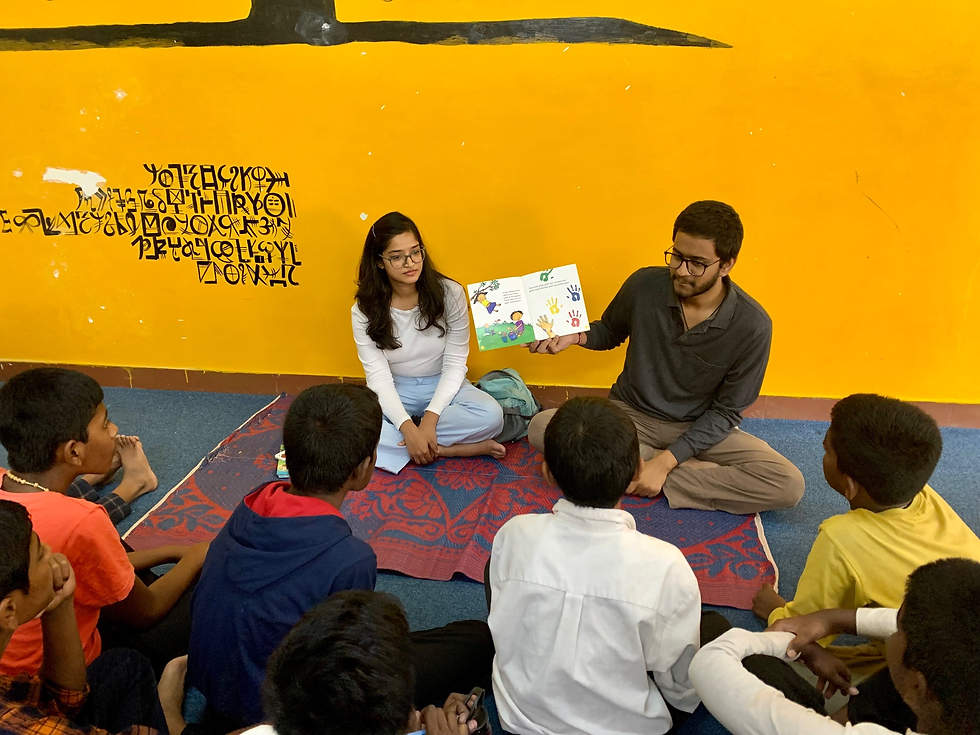
In 2026, such programs could reach 100,000+ women and children annually per corporate partnership, reducing dropout rates by 30-40% and improving health outcomes via regular screenings. Marpu's data-driven approach spanning education for underprivileged kids, women-led micro-enterprises, and preventive healthcare has empowered thousands, making it an ideal CSR partner for measurable impact. Aligns with SDGs 3 (Health), 4 (Education), 5 (Gender Equality), and Schedule VII themes on women and child welfare.
Idea 2: Skill Development and Certification Hubs at Migration Source/Destination Points
Establish training hubs in high-migration districts (e.g., Bihar, Uttar Pradesh) and urban arrival points, offering certifications in construction, plumbing, digital skills, and gig platforms. Partner with Skill India, NSDC, and NGOs for curriculum and placement.
By 2026, these hubs could upskill 500,000+ migrants annually, boosting employability and wages by 20-40%. Example: Inspired by Tata STRIVE models, scalable to multi-city networks. Supports SDG 4 (Quality Education) and SDG 8 (Decent Work), enhancing skill development for migrants.
Idea 3: Affordable Modular Housing and Rental Assistance Programs
Fund modular, prefabricated housing units in migrant-heavy urban peripheries, with rental subsidies via direct benefit transfers. Partner with PMAY-U, real estate firms, and NGOs for land and maintenance.
In 2026, this could house 200,000 families, reducing slum dependency and improving living standards. Scalable model: Corporate consortiums like those in Bengaluru tech parks. Aligns with SDG 11 (Sustainable Cities) and migrant housing solutions under CSR.
Idea 4: Child Education and Creche Facilities in Urban Informal Settlements
Set up mobile schools and creches in construction sites and slums, providing early childhood education, mid-day meals, and bridging programs. Integrate with Sarva Shiksha Abhiyan and ICDS.
Expected impact: Enroll 300,000 children by 2026, cutting dropout rates by 50%. Real-world inspiration: ITC's education initiatives adapted for migrants. Promotes SDG 4 and inclusive education for migrant families.
Idea 5: Financial Literacy and Micro-Entrepreneurship Support for Women Migrants
Offer training in financial literacy, digital banking, and micro-business setup (e.g., vending, tailoring) tailored for women. Partner with Mudra Yojana, SHGs, and fintechs for loans and mentoring.
In 2026, empower 150,000 women, increasing household incomes by 30%. Hypothetical: Apparel companies supporting garment worker cooperatives. Aligns with SDG 5 (Gender Equality) and SDG 1 (No Poverty).
Idea 6: Mental Health and Community Integration Programs
Launch counseling helplines, peer support groups, and cultural events to combat isolation and stress. Use tele-mental health apps and partner with NIMHANS or NGOs.
Impact: Reach 400,000 migrants, reducing mental health incidents amid urban alienation. Scalable via employee volunteering. Supports SDG 3 and community building for migrant integration.
Idea 7: Climate-Resilient Infrastructure in Migrant-Heavy Areas
Invest in flood-resistant drainage, cooling centers, and green spaces in vulnerable settlements. Collaborate with Smart Cities Mission and climate NGOs.
By 2026, protect 1 million residents from heatwaves and floods. Example: Infrastructure firms leading retrofits. Aligns with SDG 13 (Climate Action) and sustainable CSR ideas.
Idea 8: Gig Worker Welfare Platforms (Fair Wages, Social Security)
Develop platforms ensuring minimum wages, accident insurance, and ratings transparency for gig workers. Partner with e-Shram portal and platforms like Uber/Ola.
Impact: Benefit 10 million+ gig migrants with social security enrollment. Inspired by emerging worker collectives. Promotes SDG 8 and gig economy welfare.
Idea 9: Safe Migration Corridors and Anti-Trafficking Awareness
Create awareness campaigns, safe travel apps, and source-area counseling to prevent exploitation. Partner with Ministry of Labour and anti-trafficking NGOs.
In 2026, reduce trafficking cases by 20% in corridors. Scalable digital campaigns. Aligns with SDG 8 and 16 (Peace and Justice).
Idea 10: Data-Driven Migrant Resource Mapping Apps and Helplines
Build AI-powered apps mapping jobs, housing, and services, with multilingual helplines. Integrate with One Nation One Ration Card.
Reach: 5 million users by 2026, streamlining access. Hypothetical: Consortium-led national app. Supports SDG 10 (Reduced Inequalities) and digital inclusion.
Implementation Best Practices and Partnerships
Successful CSR for migrant communities demands multi-stakeholder collaboration. Partner with NGOs (e.g., Aajeevika Bureau, Jan Sahas) for grassroots reach, government schemes (PMJVK, e-Shram) for scalability, and tech firms for digital tools. Integrate technology like blockchain for portable benefits and AI for impact tracking.
Adopt robust measurement frameworks use Logical Framework Approach or third-party audits to quantify outcomes, such as beneficiaries reached or income uplift. Encourage employee volunteering for on-ground engagement, fostering internal buy-in.
Prioritize co-creation with migrant voices for relevance. Budget 2% CSR spend strategically, focusing on high-impact, replicable models. Regular stakeholder consultations ensure adaptability to 2026 trends like climate migration.
Conclusion
These 10 CSR ideas hold transformative potential for migrant workers India 2026, bridging vulnerabilities and unlocking contributions to urban prosperity.
By prioritizing migrant inclusion, corporations can drive measurable impact, comply with mandates, and advance SDGs. Indian businesses must act boldly investing in migrants today builds resilient, equitable cities tomorrow. Together, we forge inclusive urbanization where every migrant thrives.
Visit www.marpu.org now to explore partnership opportunities, align your CSR goals with proven initiatives, and empower migrant communities for a more inclusive future.


